Why Weird (Interview) Questions Work
I recently had a conversation with some fellow documentarians about the technical writing job search process and how to succeed. Eventually we started talking about unique, interesting application and interview questions — and why they're such effective ways to gauge a person's ability to do the job. Someone told me they once had to explain how to play tic-tac-toe. Another person was asked, "What's a skill you have that has nothing to do with this job?"
And it got me going down my own rabbit hole...
I've been asked some pretty interesting questions over the years, and looking back, I realize how ingenious they were at evaluating my skills as a technical writer. I've even started using some of them in my own search for technical writers. Here are a few:
Pretend you deconstructed a vending machine, then tell me how it works
The point is not whether or not I knew the inner workings of a vending machine, but how deeply I was thinking about the systems and backend technologies that made it work. When I started talking about gears, hinges, and internal computers, my interviewer stopped me and said that most people get to "Put in a coin, push a button, and the drink comes out at the bottom" before moving on to the next question.
Tell me about something you recently learned about
I remember this one clearly because my spouse at the time had just rediscovered their childhood Lego sets from the 80s and 90s. So I talked about Legos — but not about my interest in putting them together, or how the pieces magically line up, both of which I genuinely love. Instead, I started talking about Lego colors.
- There were 53 colors in production at the time.
- Color naming conventions differ depending on the source. For example, Bricklink (a reputable Lego resource) calls a tan brick "tan," while Lego calls the same color "brick yellow."
- Some colors, like dark red, vary slightly piece to piece because the dye can mix unevenly with the plastic, producing a visible difference between pieces.
- Other colors, like brown, differ slightly but for a different reason — they carry different names depending on when they were released (the older "brown" vs. the newer "reddish brown").
And lastly, I told my interviewer about the color chart I made in Excel to help us identify the colors of our loose pieces, and the physical color chart I built out of Lego bricks to visually match colors while we're building.
Looking back, I think this answer showed a lot about me: my curiosity about random things, and how deep I'll dig once something catches my interest. My ability to research, learn, and produce documentation about a topic quickly. My presentation skills and how well I portray the information I'm sharing. And my ability to spark interest in an audience and hold their attention through an explanation.
How do you make a PB&J sandwich?
Depending on the level of detail, this could be as simple as pulling out the bread, peanut butter, and jelly, spreading one slice with peanut butter and the other with jelly, and putting the two slices together.
But have you considered these additional steps?
- Locating the ingredients (did I put the peanut butter in the pantry or the fridge?)
- Specifying a type of bread (personally, I don't think garlic bread pairs well with jelly...)
- Choosing between jelly options, if there's more than one
- Picking up a knife to scoop and spread the peanut butter
- Picking up a different knife to spread the jelly — or do you lick the first knife and dip it into the jelly?
- Wait — what does PB&J even stand for?
Or my favorite response: "I'm allergic to peanuts, so I don't."
Give me instructions to your house. I don't drive.
How many people miss the "I don't drive" part and automatically hear "give me instructions to your house," then stop listening?
This question weeds out assumptions about the audience. Do they have Google Maps on their phone? Are they familiar with the area? What forms of transportation do they have available? Do they need landmarks ("turn left at the blue house" — but which blue house?) Are the roads in your area even properly signed?
So many questions need to be asked about the audience before you can give instructions that are helpful, well-explained, and memorable.
Now, I'm in the unfortunate position of applying for jobs and interviewing myself. I think of these questions and wish they would be asked again! And then, a job application asks Tell us about one of your favorite pets!
I read a question like that and think, "What are they actually looking for?" It's a question I was asked in first grade. It's a question that shows up in security prompts — "Name of your favorite pet." How much detail do they expect? How do I choose just one pet when I have two dogs and four cats? Do I talk about my first dog, Suzi, who got me over my fear of dogs growing up? Or Sandy, my hermit crab, who was the first pet that was truly my own?
Ultimately, after way too much overthinking, I set all those questions aside and just free-wrote what came to mind. I hope it captured the depth of my love and compassion, and how that carries over into my work ethic. When I care for something, I make sure it's taken care of. That's ownership. That's presence. It's trust, patience, and empathy — the same endurance, conflict resolution, and growth I bring to my work. Because this answer came from my heart, and wasn't written for a job application.
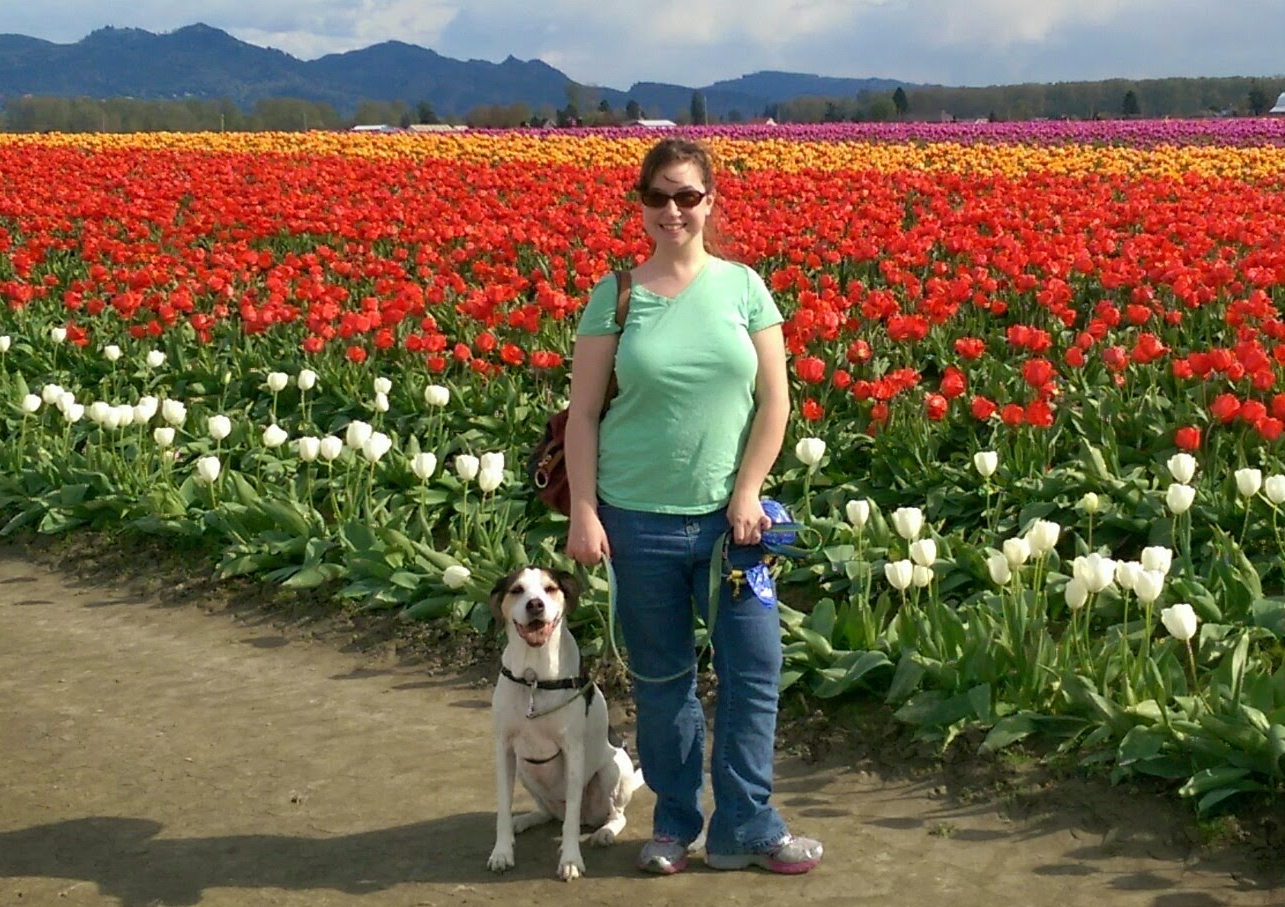
There are some pets out there who are just pets. Then, there are others who are soulmates, and who know you better than anyone else in the entire world. My late dog, Millie, was my soulmate.
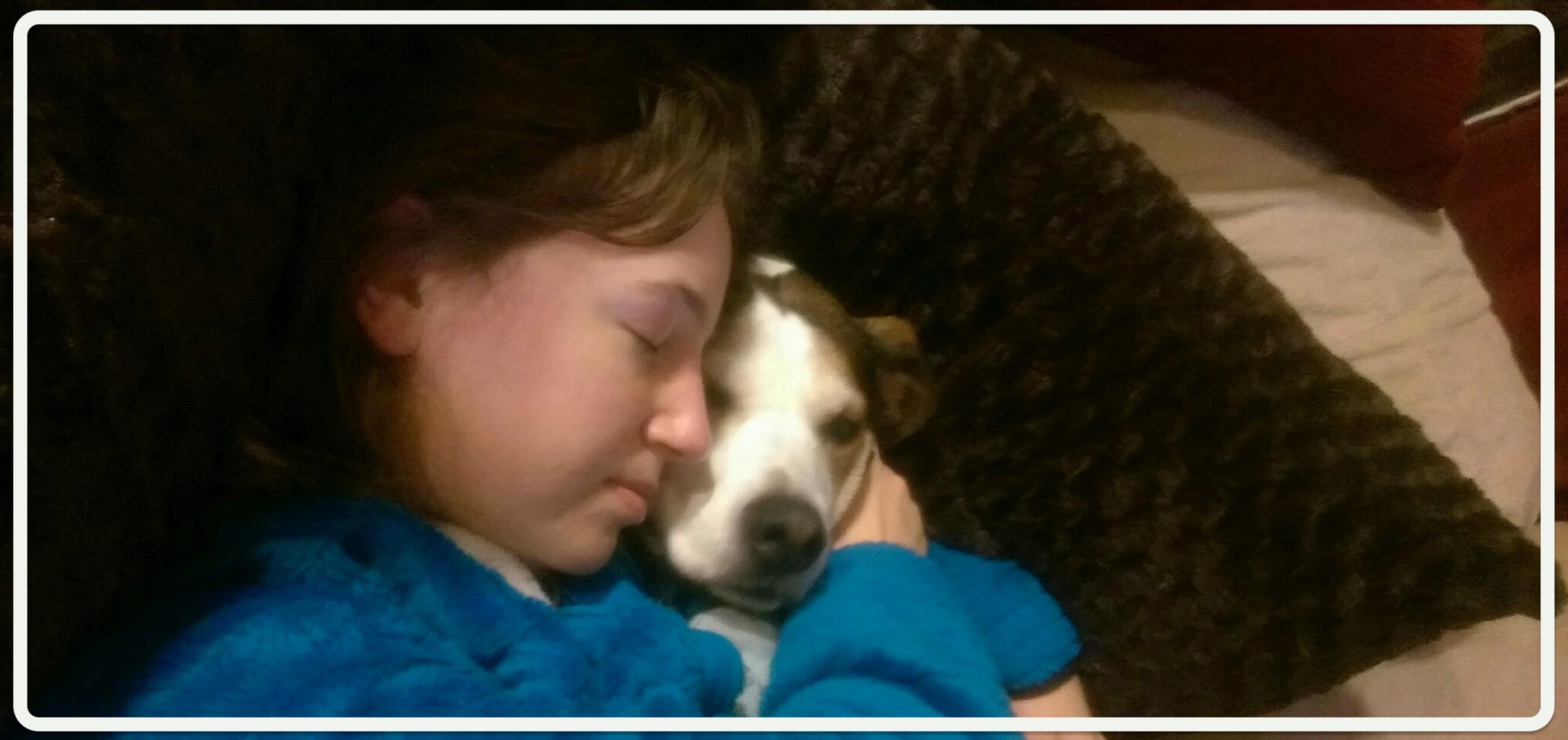
I adopted Millie shortly after graduating college. She was there for me during the most formative years of my life - getting my first job out of college, moving across country, and starting a new life in Seattle. She comforted me during a harsh break up, and was my consistent force of nature as I found myself again. She was with me when I met the love of my life, and deigned to pee right smack in the middle of my favorite wedding photo! She was my hiking buddy, my travel buddy, my snuggle buddy, and my best friend. In 2019, she was diagnosed with aggressive bladder cancer and given 5 months to live. It broke my heart, and I couldn't do anything to save her. The pandemic was our little blessing in disguise. I started working from home, and I spent every minute with Millie that I could. Because we had Trupanion, I could afford to put Millie on a trial drug for cancer. I got another 2 years of kisses, selfies, and adventures with my sweet baby girl, and she passed in 2022 at 16 years old.
Millie knew me better than anyone else in my life - better than my parents, my sister, my wife, or my best friends. She saw me for who I really am, and accepted me unconditionally. She really was the best pup.