Connecting with Your Audience
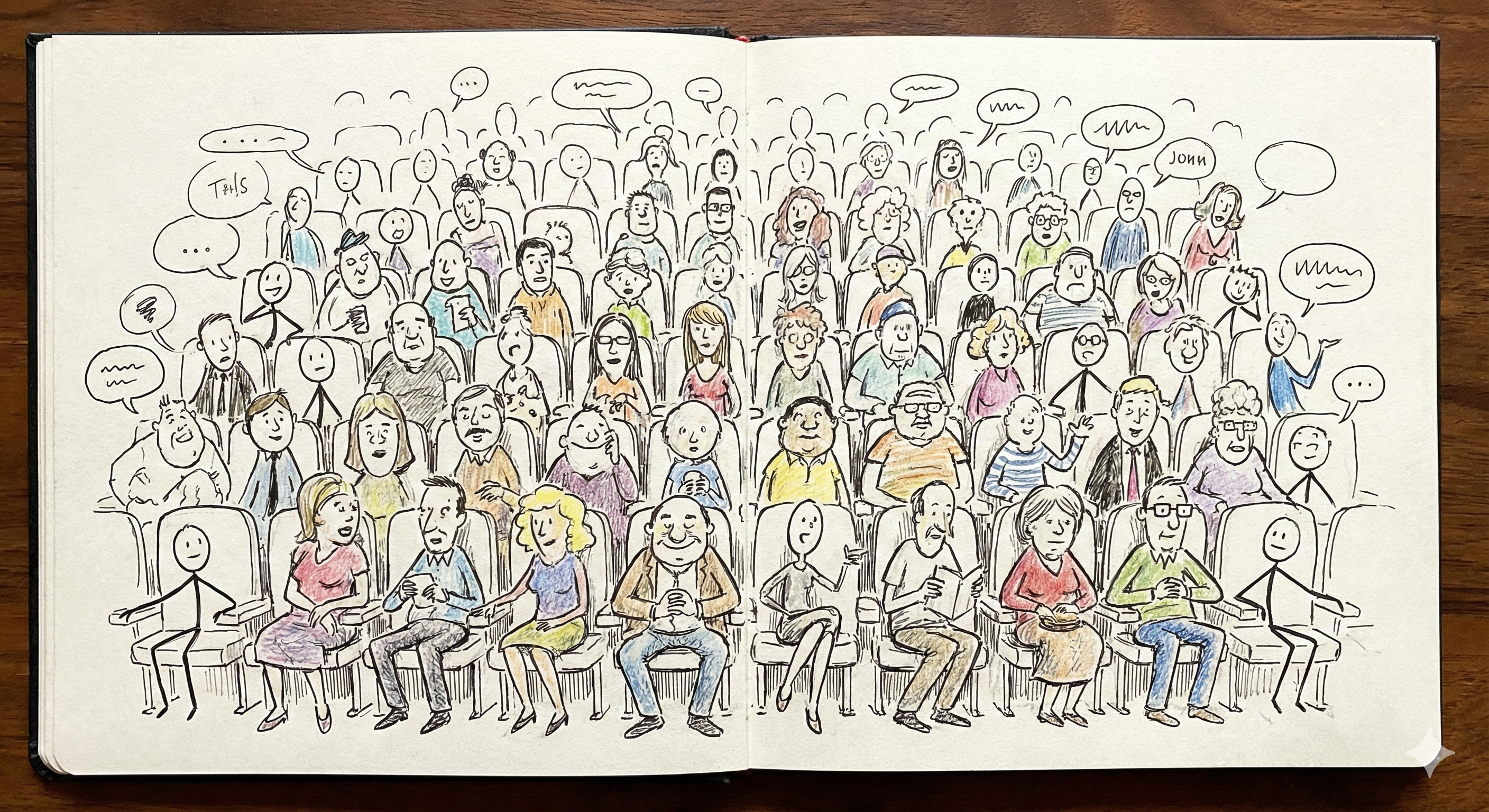
Every good technical writer knows this rule: you must write for your audience.
It’s one of the first lessons we learn, and for good reason. Your audience is your reader. The way you tailor your words, tone, and structure should all center around who they are and what they need.
Knowing your audience is more than just good practice; it’s the difference between clarity and confusion. When your writing meets readers where they are, it feels intuitive, useful, and impactful. When it doesn’t, it can come across as condescending, overly technical, or simply irrelevant.
Many people define their audience by type: children vs. adults, experts vs. beginners, internal vs. external. That’s a helpful start, but understanding your audience is more nuanced. It’s about how they think, what motivates them, and what they’re trying to accomplish in that moment.
Start by asking yourself who is most likely to read your content. If you’re writing instructions on how to build a bookcase, are your readers IKEA builders who need step-by-step guidance with photos for each stage? Or are they students in a woodworking class who already understand joinery and finishing techniques? The same topic with two very different approaches.
Once you’ve identified your audience, connect with them. Anticipate their questions before they’re asked. Speak directly to their goals and challenges. When your first priority is to serve your reader, you build trust and engagement. And don’t be afraid to let your personality shine through - readers often connect more with writing that feels like a knowledgeable friend guiding them than a dry instruction manual.
No matter who you’re writing for, grammar matters. Misused apostrophes, excessive commas, or capitalization errors can instantly disrupt readability. The same goes for spelling errors or unfamiliar abbreviations. For example, “TW” might mean Technical Writer to you, but to your reader it could mean Trigger Warning, Taiwan, or Terawatt. Always tailor your terminology to your audience’s frame of reference. If you don't, they will turn somewhere else for their information.
Once you’ve defined your audience, guide them through the information they need by asking yourself:
- What does my audience already know about the subject?
- What do they need to know?
- What questions are they likely to ask?
- What’s the best outcome for this audience? What do I need to say to get them there?
Identifying your audience is important, but connecting with them is even more so. When you understand their motivations, goals, and abilities, you create documentation that not only informs but empowers.